Camp Hill market update

Camp Hill Property Market: June 2026 Wrap-Up

By Jack Bonney June 2026 5 minute read

June produced eight sales that told a clear story about where Camp Hill stands right now.

Buyers who spent the last 18 months waiting for rate certainty came back to the market in numbers. Sellers who prepared for that shift captured it. Below is a read on what sold, what those results mean, and why the macro backdrop is working in sellers' favour in suburbs like this one.

Notable sales

Four results worth paying attention to.

Each sale tells you something different about where buyers placed value in June. Price alone doesn't explain these results.

Case study

What Hobart Avenue reveals about buyer behaviour.

$4,320,000 in 21 days. Multiple competing groups. One lesson about what a well-run campaign actually does.

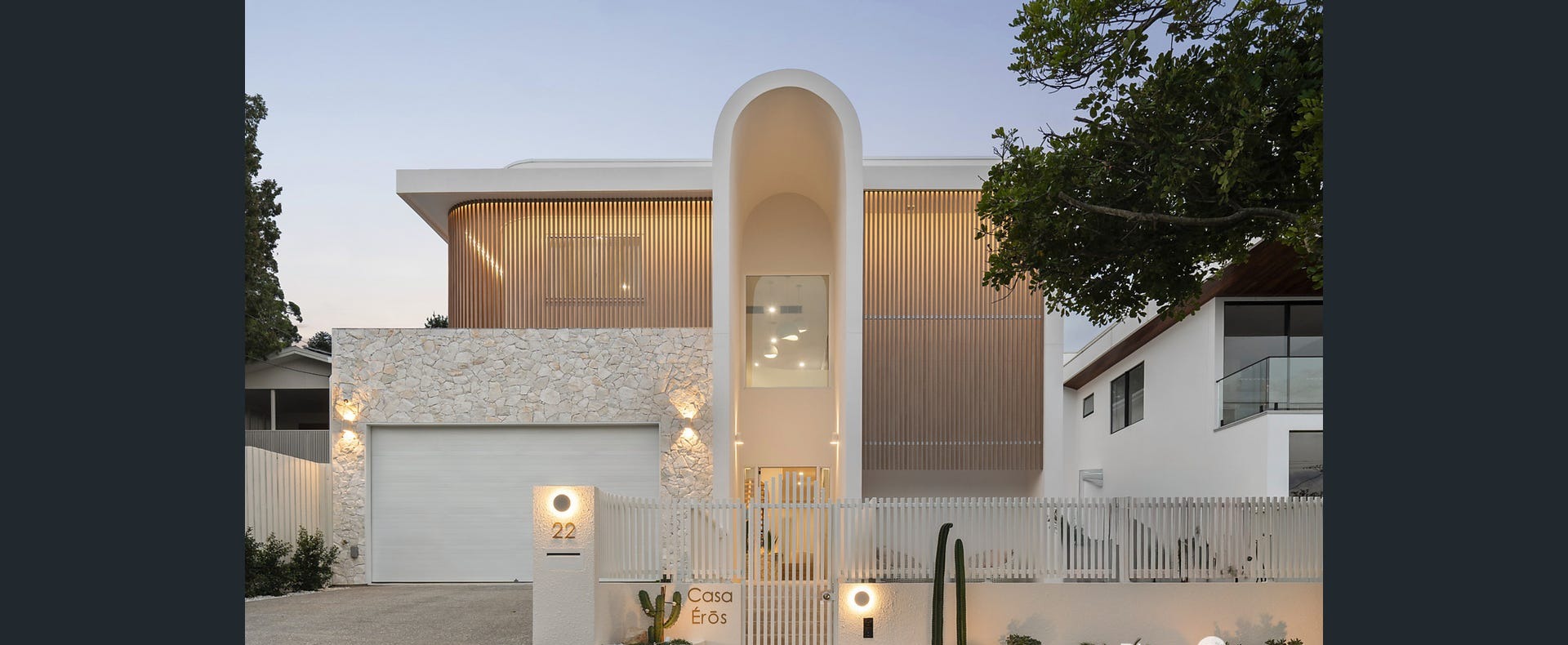
22 Hobart Avenue sold for $4,320,000 in 21 days. For a $4M+ home in Camp Hill, that pace signals one thing: the campaign brought buyers to the table at the same time.

Multiple buyer groups registered interest in the opening week. By the time the campaign closed, they were competing. The seller chose between offers. That shift from negotiation to selection is what a structured campaign is designed to produce. With a single buyer, you accept their best number. With competing buyers, the market sets the price.

A campaign with a hard deadline concentrates buyer attention in a way that open-ended negotiations cannot. Serious buyers act rather than signal interest and wait. Every party knows others are in the room. When buyers understand they are competing, the safety buffer disappears. The number they put forward is their real number.

Multiple groups competed on Hobart Avenue. When buyers know they are in a race, the seller stops negotiating and starts choosing.

Buyers at the $4M level have lost properties before. They know what a cautious first offer achieves in a competitive process: nothing. That experience makes them bid honestly from the start. When the campaign is structured to create competition, that honesty works in the seller's favour.

June's data makes the point plainly. 10 Akala Street: same suburb, same 607m² block, same month. It sold for $70,000 less after 118 days on market. The property was comparable. The campaign was different. Those 97 extra days cost the seller $70,000 and months of disruption.

Sellers preparing for the second half of 2026 have one lever that matters above all others: campaign structure. A complete product in a well-run competitive process with a hard deadline lets the market set the price. Hobart Avenue is the clearest example of that in Camp Hill this year.
Full results

June results at a glance.

The raw numbers without the commentary.

AddressPriceBedsMethodDate
22 Hobart Avenue$4,320,0005Private treaty · 21 daysJun 2026
10 Akala Street$4,250,0005Private treaty · 118 daysJun 2026
49 Perth Street$3,400,0005Pre-marketJun 2026
11 Sydney Avenue$3,085,0005Private treaty · 52 daysJun 2026
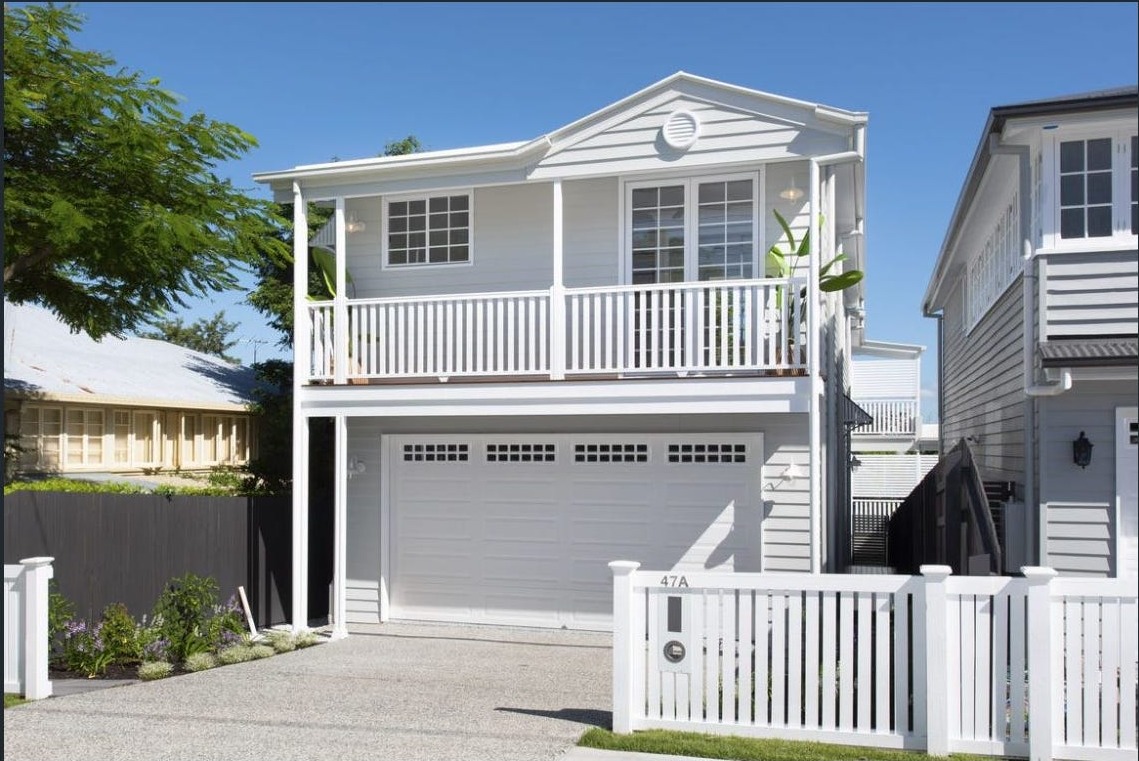
47A Brinawa Street$2,500,0005Off marketJun 2026
67 Raven Street$1,980,0004Private treaty · 48 daysJun 2026
62 Ara Street$1,708,0004Private treaty · 37 daysJun 2026
6 Fryar Street$1,522,5003Private treaty · 28 daysJun 2026

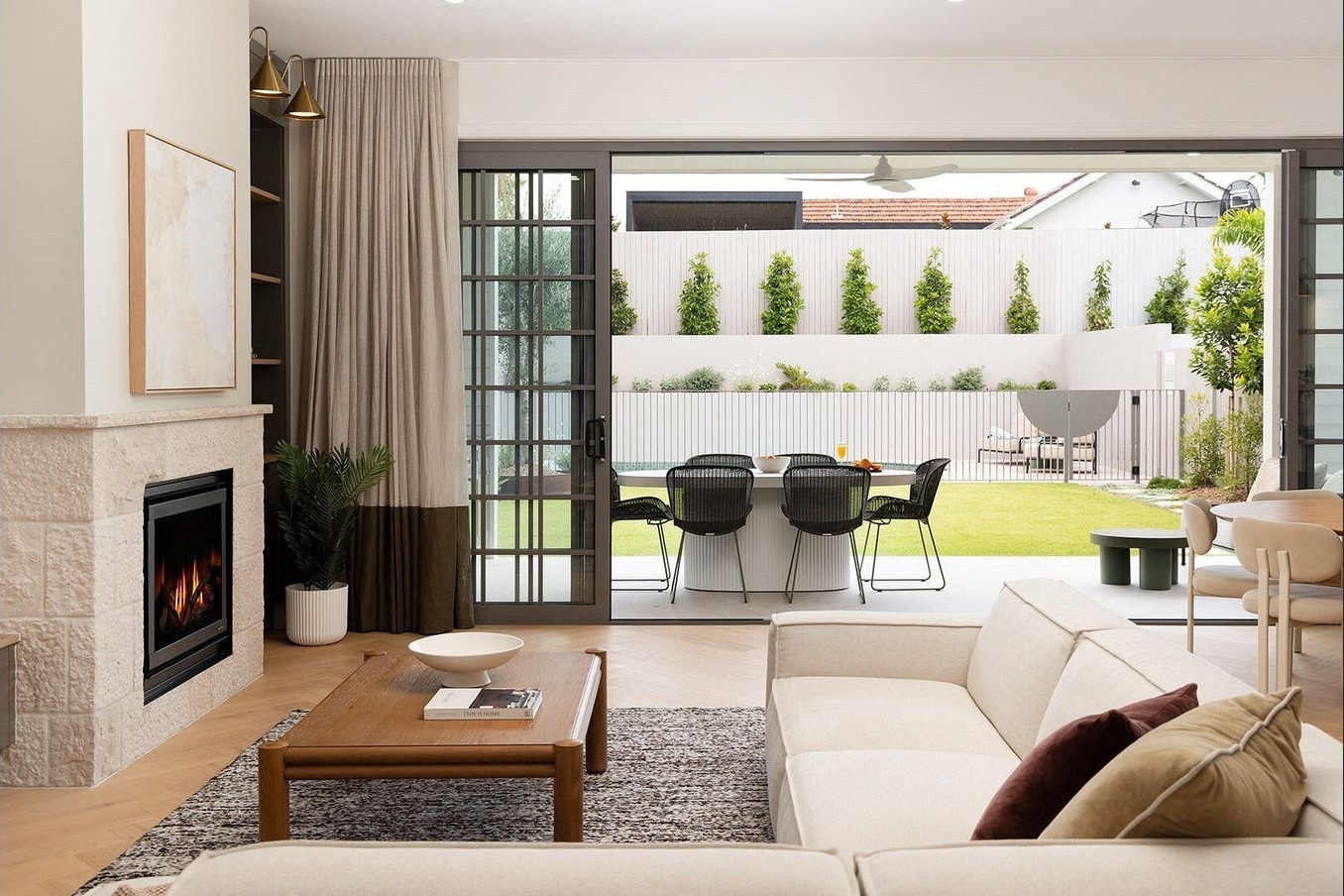
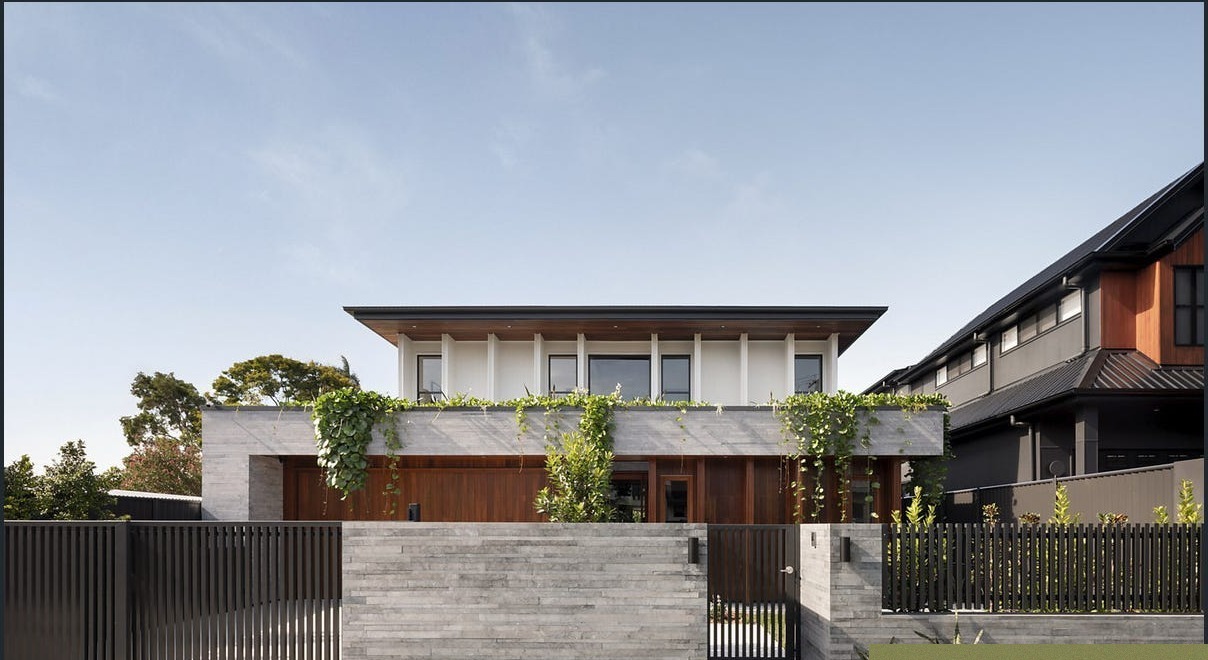
Source: Domain.com.au, June 2026. Featured property photos courtesy of respective listing agents.

Macro context

What the RBA hold means for Camp Hill sellers.

Rate certainty changed buyer behaviour faster than most people expected. Through the rate-rise cycle, a large cohort of buyers parked themselves on the sideline. They weren't disinterested. They were waiting for a number they could plan around.

When the RBA held the cash rate steady, that cohort moved. Many had spent 12 to 18 months watching the market without acting. They entered June with pre-approvals, clear budgets, and real urgency. In a suburb with Camp Hill's supply constraints, that combination drives competition at auction and shortens campaigns.

Inner-ring suburbs feel this effect more sharply than outer suburbs. Camp Hill attracts a specific buyer: typically dual-income families upgrading from a smaller home, often with existing equity and a serviceable mortgage. That buyer doesn't need a rate cut to act. They need rate stability. A hold is enough.

The sellers who captured the best results in June were the ones who recognised this window and prepared for it. Presentation, pricing strategy, and campaign timing all mattered more than usual, because the buyer pool was active and ready to move fast.

RBA Cash Rate 4.35%

Held steady, giving buyers a fixed cost to plan around.

The RBA has held at 4.35% through consecutive meetings. For Camp Hill buyers, that means mortgage repayment calculations are stable. A dual-income household borrowing $2M knows their exact monthly outgoings. That certainty removed the last major reason to sit on the sideline.
Camp Hill stock Tight

Fewer listings competing for the same pool of motivated buyers.

Six transactions in June across the entire suburb. With this level of supply, qualified buyers were competing for a very small number of options. When listings contract and buyer demand holds, prices are supported — and in some cases, significantly exceeded.
Buyer profile Upgrader-driven

Dual-income families with equity. Rate stability, not cuts, triggers their move.

The Camp Hill buyer in 2026 typically holds equity from a prior home and services a $2M+ mortgage on a combined income. This cohort doesn't need a rate cut to act. They need rate certainty. The hold gave them that, and they moved — two of June's eight sales without any public campaign at all.
Net effect More competition

Returned buyers plus sitting stock equals more bidders per auction.

With more buyers returning and fewer listings available, competition at each property increased. Off-market and pre-market transactions, two of the eight June sales, signal buyers so motivated they bypassed the open market entirely rather than risk losing out.

What it means

What June tells us about the market.

Properties that matched what buyers were looking for didn't sit in June. Across Camp Hill and the inner east corridor, the strongest results came in days, often with multiple parties competing and sellers capturing prices that reflected genuine demand rather than negotiated compromises. Buyers who had been watching the market for months came ready to act when the right property appeared.

The clearest theme of the month: turnkey homes sold at a measurable premium. Buyers priced renovation risk into every offer and walked away from anything that needed work, even at a discount. A presentation-ready property drew competing groups. A tired one drew negotiators. The gap between those two outcomes widened in June.

Inner east land doesn't come back to market. The next comparable block in Camp Hill could be months away. Buyers who understand that scarcity pay accordingly.

Sellers considering Q3 have a narrow window before spring stock arrives. Camp Hill typically sees a jump in new listings from late September, which splits buyer attention and gives purchasers more leverage. Listing in July or August means those active, pre-approved buyers find you first, before they have alternatives to compare.

Thinking about selling in Camp Hill?

I can give you a confidential view of your home's current value, the buyer demand I'm seeing right now, and the campaign approach I'd recommend. No obligation. One conversation.

Book a free appraisal